
Endurance
Stowe Mountain Bike Academy
Junior & Elite Endurance Race Programs
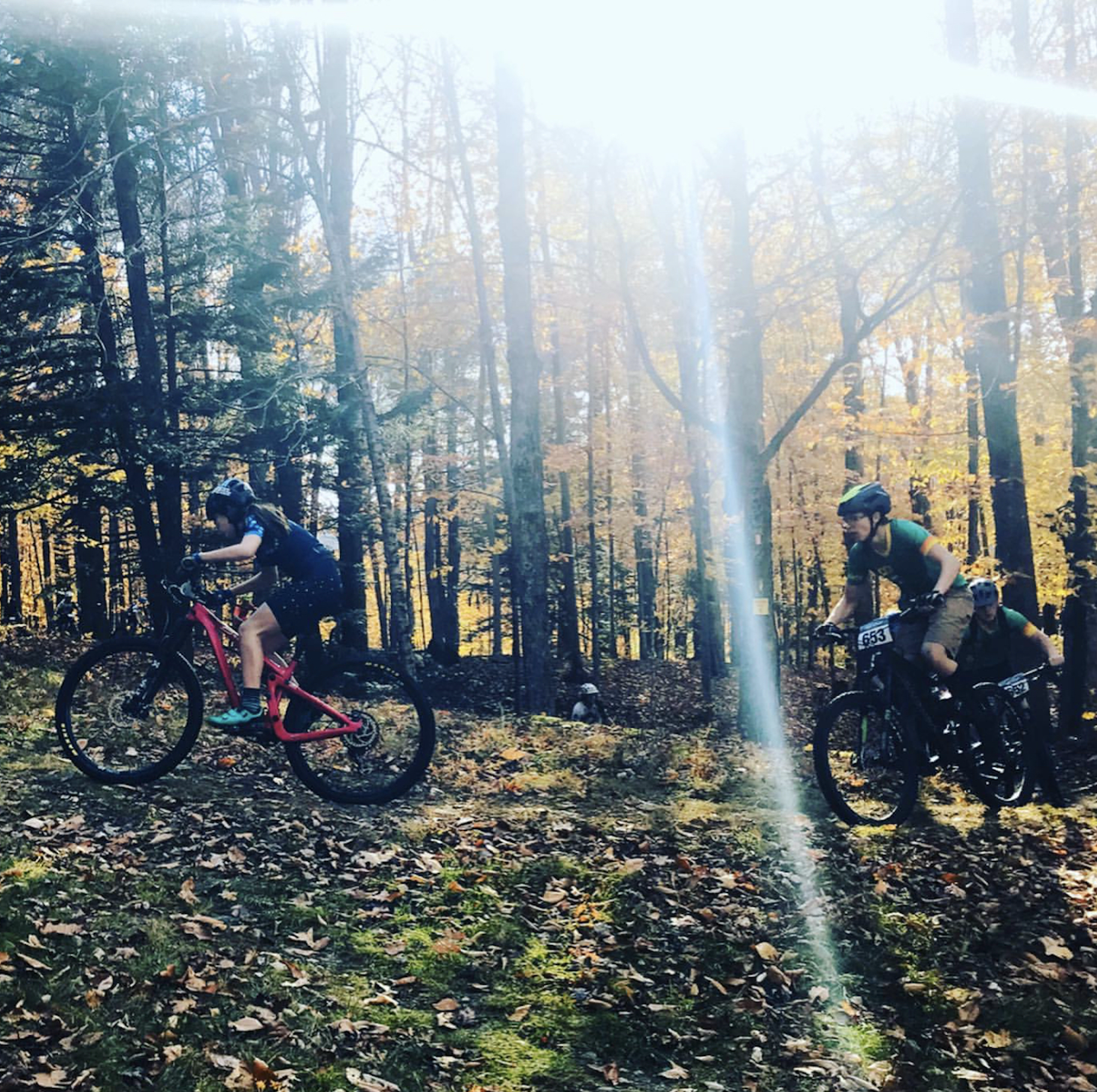
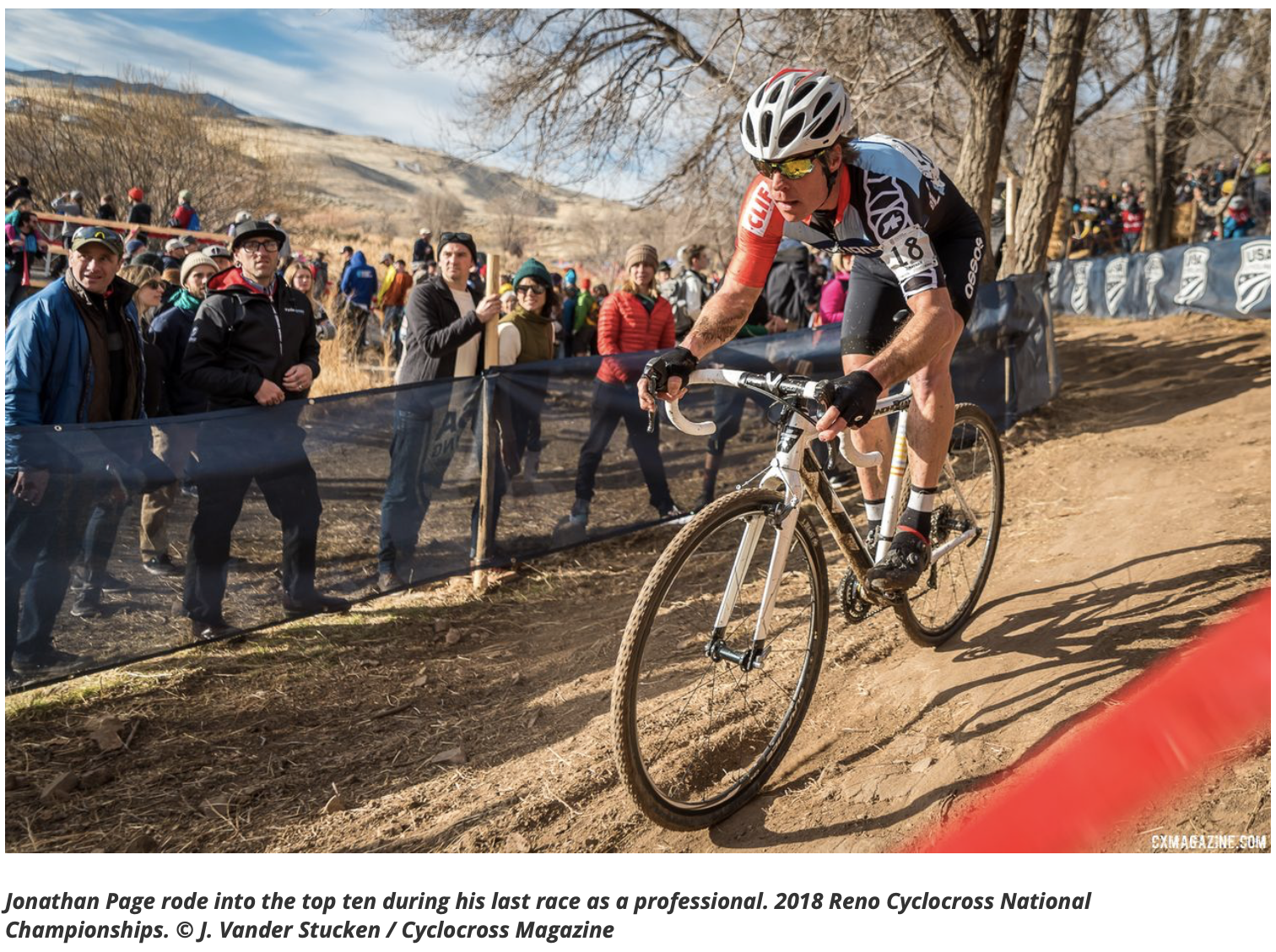
The Endurance Race Program is for committed and experienced cyclists looking to specialize their competition around the endurance disciplines of cross country, gravel and/or cyclocross racing.
Endurance Description & Program Goals →
Bike & Gear Requirements →
Pre-Season Equipment Check →
Pre-Ride Bike Check →
Junior & Elite Endurance program
Juniors: Ages 13+, Elite: Ages 16+
RIDER REQUIREMENTS:
Rider has completed SMBA Develop Program, Progression Program through Freeride, SMBA Race Team returning athlete or can demonstrate similar advanced skill achievements
Rider has at least two seasons of race experience
Rider has basic mechanic skills and can perform trail-side repairs
Rider has completed the SMBA Race Team Application and has demonstrated a desire to train, work towards a goal, and be a compassionate and respectful member of the SMBA Race Team
Program Highlights:
Goal Setting: Goal setting is a crucial aspect of racing as it provides direction, motivation, and a framework for improvement. Coaches will teach and work with athletes individually to set SMART goals for their season and progressive development.
Race Preparation: Learn how to develop effective race plans, manage energy efficiently, and navigate various terrains to perform your best on race day.
Fitness Training: Riders have the option to participate in structured fitness sessions with Champlain Valley Community Fitness to enhance your endurance, strength, and speed, ensuring you are in top shape for competitive racing.
Nutrition Guidance: Proper nutrition is key to performance. Our program offers guidance on pre-race meals, hydration strategies, and post-race recovery to optimize your racing potential.
Race Simulations: Participate in race simulations to practice pacing, course navigation, and mental preparation, helping you build confidence and familiarity with race scenarios.
Team Environment: While we strive to provide riders with the skillset to meet their personal goals, we do so in the context of the team environment. In a team environment, riders motivate and encourage each other and this positive reinforcement from peers fosters a collective spirit, boosting individual confidence and determination. We aim for a strong team identity to instill a sense of pride and belonging. Riders feel a connection to something larger than themselves, contributing to a positive team culture.
A detailed framework for the Endurance Race Program outlining key components and progressive training phases is available to registered participants.
The broad framework is outlined below:
Phase 1: Base Building (Spring Session)
Phase 2: Skill Development and Intensity (Spring Session - Summer Session)
Phase 3: Specific Endurance (Summer Session)
Phase 4: Tapering and Fine-Tuning (Fall Session)
For more information please contact us at info@stowemtb.com
Typical training structure in the Endurance Race Programs includes two coach lead practices per week, support at races, an individual ride assignment plus the option to participate in a strength and conditioning program with Champlain Valley Fitness. We offer two training divisions:
Junior Division: Designed for riders aged 13-16 who are passionate about mountain biking and eager to enhance their endurance racing abilities.
Elite Division: Geared towards experienced riders aged 16-19 who are seeking intense training and competition in the endurance racing scene.

From experienced coaches, riders will grow their technical proficiency, strength and endurance, race strategy, and mental resilience through 13 Seasonal Program Goals:
-
Goal:
Develop a strong foundation of aerobic endurance.
Activities:
Incorporate long, steady rides to improve cardiovascular fitness and the ability to sustain effort over extended periods.
-
Goal:
Improve riders' technical proficiency to navigate diverse terrain.
Activities:
Visit a variety of trails for diverse opportunities to focus on climbing, descending, cornering, and obstacle negotiation.
-
Goal:
Build muscular strength and stability to enhance power and control on the bike.
Activities:
Integrate strength training sessions targeting key muscle groups used in mountain biking. Emphasize core stability and leg strength.
-
Goal:
Improve riders' ability to handle short bursts of high intensity and anaerobic efforts.
Activities:
Implement interval training sessions with structured periods of higher intensity. Include hill sprints and short, high-power efforts.
-
Goal:
Familiarize participants with the demands of race day.
Activities:
Organize race simulation rides with terrain similar to the target race or visit upcoming race locations to pre-ride the course. Include elevation changes, technical sections, and sustained efforts to mimic race conditions.
-
Goal:
Educate riders on effective pacing for endurance races.
Activities:
Incorporate pacing strategies into training sessions, emphasizing starting conservatively, maintaining a steady pace, and strategically managing energy reserves.
-
Goal:
Equip participants with proper nutrition and hydration knowledge for long races.
Activities:
Provide education on pre-race, during-race, and post-race nutrition. Encourage riders to practice fueling strategies during training.
-
Goal:
Develop robust mental tactics to handle challenges during races.
Activities:
Incorporate mental resilience training, including visualization, positive self-talk, and stress management techniques. Discuss strategies for maintaining focus during extended efforts.
-
Goal:
Emphasize the importance of effective recovery to enhance performance.
Activities:
Integrate rest days, active recovery sessions, and recovery-focused practices such as stretching and foam rolling into the program.
-
Goal:
Ensure participants' bikes are optimized for endurance races.
Activities:
Conduct workshops on bike setup, gear selection, and equipment maintenance. Address any comfort or performance-related issues with bike adjustments.
-
Goal:
Guide participants in setting realistic and motivating goals for their endurance races.
Activities:
Collaborate with participants to establish specific race goals, whether related to finishing times, personal achievements, or specific race milestones.
-
Goal:
Foster a supportive and collaborative training environment.
Activities:
Facilitate regular communication among participants, organize group rides, and create opportunities for riders to share experiences, challenges, and tips.
-
Goal:
Encourage reflective practices to identify areas for improvement.
Activities:
Schedule post-race debrief sessions to discuss race experiences, analyze performance, and identify lessons learned. Use feedback to refine future training plans.
Bike & Gear Requirements
Bike Requirements
• Discipline Specific Bike
• Hydraulic disc brakes
• Tubeless tires
Please have a shop or qualified technician make sure the bike is in good shape and functioning properly. While it is not necessary to have the nicest parts, riding and racing rough trails requires modern, durable componentry. If you are unsure of your bike or component quality, get in touch and we will be happy to help.
Gear requirements
• Helmet (“half shell” or “trail”). Elites: Full face and kneepads (ideally enduro style kneepads that can be comfortably worn while climbing
• Gloves, full finger length
• Mountain bike specific shoes
• Hydration backpack, should fit at least 1L bladder and 2 PBJs (A large hip pack is OK, but a backpack with chest/hip straps is preferred)
• Water bottle
• Multitool (Crank Brothers m17 or similar)
• Spare inner tube (and CO2 or mini-pump)
• Spare master chainlink
• Chest protectors and elbow pads are highly recommended for lift service
Please reach out with any gear questions/recommendations. Coach Ross Scatchard: ross@stowemtb.com
Pre-season Equipment Check
Unless you’ve been keeping your bike in the living room through the winter, dusting it and rotating the tires, chances are there may be a bit of spring maintenance needed.
Here’s a good spring maintenance checklist
Suspension - If the stanchion seals are dry and a service didn’t get done last season, get into a shop before the racing season starts. The standard service intervals are 50hrs of riding (basic) and 200hrs (full) and it helps keep the bike nice and plush.
Sag - Chances are we grew a bit over the winter, so we need to calibrate our suspension settings. A benchmark for suspension sag is 25% when in a static ready position. Get to 25%, then fine tuning can be done on the trail.
Drivetrain - How is your bike shifting? Is it clunking or sticking between gears?
If so, it may be time for a fresh chain, cassette, or chainring. If shifting gears feels like a thumb workout, a new shift cable and housing will help.
If it shifts well, then give the chain, derailleur, and cassette a good scrub with a biodegradable degreaser and rinse off. Let it dry, then apply a light coat of your favorite chain lube. Let it soak in for as long as possible, but wipe it clean before going out on the dirt roads (an overly-oiled chain attracts grit).
Brakes - We want at least half of the brake pad to still be present (about 1.5mm).
New pads are relatively cheap. Make sure to replace them before they grind all the way down to the backing plate, otherwise rotors will need to be replaced.
Brake bleed - If they are spongy, make sure to bleed them. A brake bleed is quick for a shop (or at home with the right tools) to get them feeling like new.
Tires- Too many parking lot skids last fall? Are the threads showing on the sidewalls?
Before the season starts, we want fresh, sticky rubber, and sharp edges on the knobs for maximum grip.
Sealant dries up and becomes less effective over several months. Remove that valve core and add 2oz per wheel. This may need to be repeated once or twice throughout the season.
Bolt check - There are lots of bolts holding everything on our bike together and rotating or pivoting smoothly. It is very important to check that all the bolts are at the correct tightness (torque), and there isn’t play or friction in the moving parts of our suspension and steering. Some bolts require grease, some loctite, and some carbon fiber paste. If in doubt, ask a bike shop, or SMBA coach about bolt specifics.
Check that all bolts are snug and there is no play, or clunky movement, on parts of your bike.
PRE-Ride BIKE CHECK
Air - The tires should feel like a ripe orange. Too much air can be almost as bad as too little. Also, inspect the tires for any cuts, worn tread, or signs of excessive wear.
Brakes - The brakes should engage at approximately half the distance from a resting Position to all the way against the bar. Make sure the disc rotors are tight and both levers squeeze and return smoothly.
Chain - A clean and lightly lubricated (bike specific chain lube is best) chain keeps those gears happy. Give it a good clean and run through the gears to make sure all the gears are shifting easily.
Quick Release - Check the quick release or wheel axles. They should be snug! You can also double check by trying to wiggle the wheels side to side with your hand and feeling if there is any play.
Headset - Make sure the headset is snug by turning the front wheel 45 degrees to the left and squeezing the front brake. With your right hand, hold the space between the headtube and the stem and gently rock the bike back and forth. We don’t want to feel any play with our right hand. If you do, loosen the stem bolts, tighten the bolt at the center of the headset cap until the fore/after movement of the headset is gone, but the headset still rotates smoothly. Then tighten the stembolts again – with a torque wrench.